
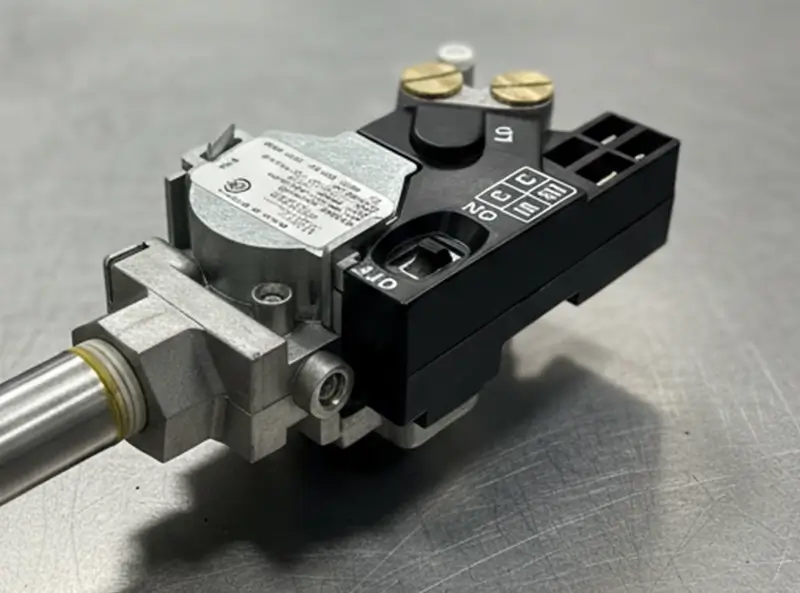
Gas valves are often overlooked but are a critical part of a furnace. In Calgary, where heating runs for months and demand is high, knowing how this component works helps homeowners detect issues early, prevent safety risks, and make informed repair or replacement decisions. This guide explains the role of the furnace gas valve, how it works, how to spot problems, and typical repair or replacement costs in Calgary.
Need a New Furnace?
With Flexible Financing Options
What Is a Furnace Gas Valve?
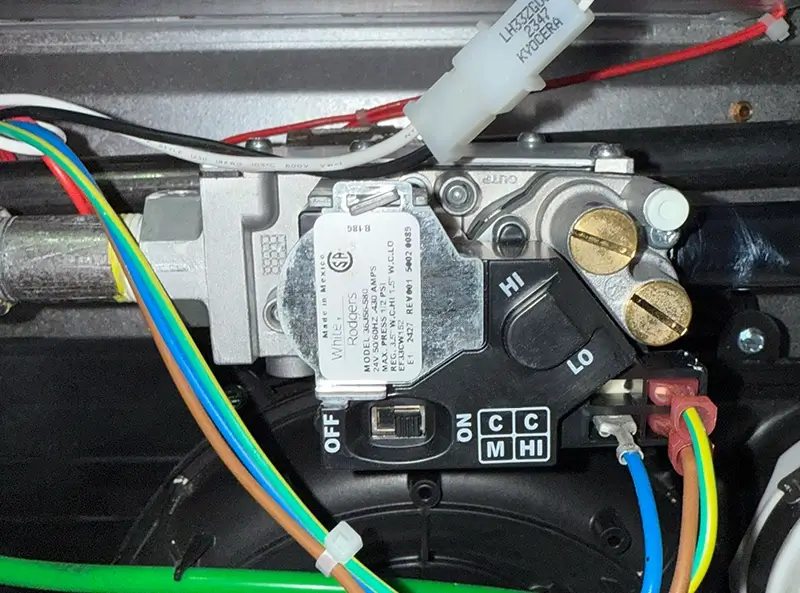
A furnace gas valve is the automatic safety device that controls the flow of natural gas from your home’s supply line into the burners. It works alongside components like the thermostat, flame sensor, igniter, and control board to allow gas to flow only when the system is ready for safe combustion.
Without a functioning valve, your furnace either won’t ignite, or worse, could allow uncontrolled gas flow, which is why this part is tightly regulated and must be serviced by licensed technicians.
How a Furnace Gas Valve Works
Your furnace gas valve controls the flow of natural gas safely and efficiently. It works in tandem with the thermostat, control board, igniter, and safety sensors to ensure your home heats reliably while preventing unsafe conditions.
1. Thermostat Calls for Heat
When the thermostat signals a need for warmth, the furnace control board begins the ignition sequence, checking that all safety conditions are met.
2. Safety Checks and Valve Activation
The system verifies proper venting, gas pressure, and airflow. Once confirmed, the gas valve’s solenoid energizes, allowing gas to flow into the burner assembly.
3. Ignition and Flame Detection
The igniter lights the gas, and the flame sensor confirms a stable flame. The valve stays open while heat is required.
4. Shutting Off the Gas Valve
When the thermostat reaches the desired temperature, the control board de-energizes the valve, closing it to stop gas flow.
5. Electronic Safety Redundancies
Modern furnaces include multiple safety checks to immediately cut off gas if the flame is not detected or airflow conditions are unsafe, ensuring reliable operation and home safety.
Types of Furnace Gas Valves
There are different types of gas valves and each of them work differently as well. Let’s go over them.
- Single-stage valves simply open or close, delivering full gas flow whenever heat is required.
- Two-stage valves allow low and high output, improving comfort and reducing fuel use.
- Modulating valves adjust gas flow continuously, allowing premium furnaces to match heat output precisely to demand.
- Manual gas cocks exist upstream but are not part of the furnace’s automated safety system. Modern systems rely on automatic solenoid-driven valves for reliable, code-compliant heating.
Common Gas Valve Problems & Warning Signs
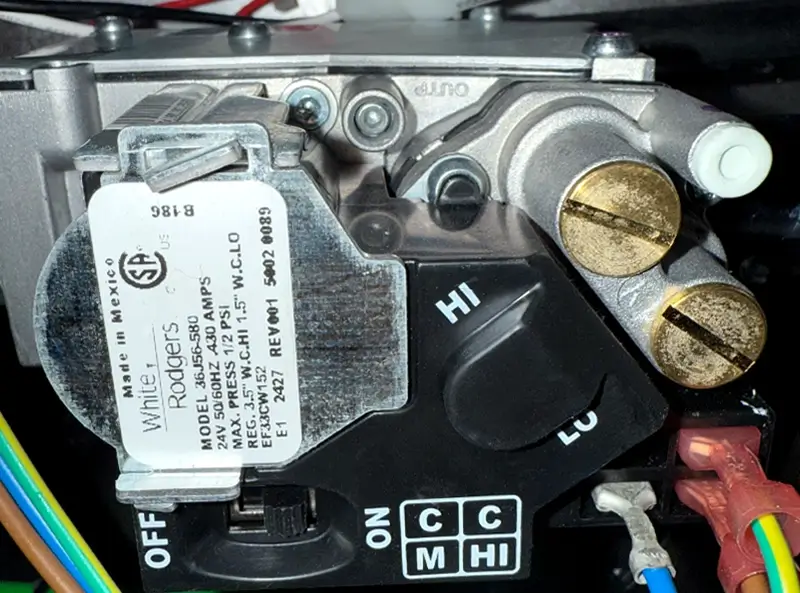
Gas valves can fail mechanically or electronically. Calgary homeowners may notice the furnace failing to ignite, intermittent heat, weak or inconsistent flame, or repeated short cycling. Clicking, hissing, or the smell of gas indicate possible valve leakage or seal failure and require immediate system shutdown and professional service. Because gas valves interact with many sensors, problems can appear as ignition lockouts or frequent resets.
Typical Repair or Replacement Costs in Calgary
Gas valve service ranges widely depending on furnace type and valve design. Minor furnace repairs, such as cleaning components, replacing solenoids, or addressing electrical issues, are usually the lower end of the cost spectrum. Full valve replacement is more costly, especially on two-stage or modulating furnaces where specialized valves are required.
Older furnaces with repeated valve failures may be better candidates for replacement rather than ongoing repair. Additional expenses may apply if gas pressure adjustments, venting corrections, or safety inspections are required.
Why Installation & Maintenance Matter
Gas valves depend on proper venting, airflow, and ignition timing. Incorrect furnace installation can cause unstable flame, safety lockouts, or fuel waste. Calgary’s extended heating season places heavy demand on furnace components, making annual maintenance important. Tasks like cleaning flame sensors, ensuring drains are clear, checking pressure settings, inspecting valve coils, and confirming safety switch operation all help extend valve life and ensure winter reliability.
Frequently Asked Questions
What role does the gas valve play in a natural gas furnace?
The gas valve controls the precise flow of natural gas into the burners, opening only when the ignition system and safety sensors confirm proper conditions. It prevents gas leaks, ensures stable combustion, and keeps the furnace operating safely.
What are the signs of a failing gas valve?
Common signs include ignition failure, weak or inconsistent flames, short cycling, clicking noises, or delayed burner ignition. Any smell of gas or hissing around the furnace requires immediate shutdown and professional service.
Is it worth replacing just the gas valve instead of the whole furnace?
If the furnace is in good condition and under 10–12 years old, replacing the gas valve is often cost-effective. However, older units with recurring safety faults or high repair frequency may justify system replacement instead.
Do high-efficiency furnaces use different gas valves?
Yes. High-efficiency furnaces often use two-stage or fully modulating gas valves that adjust fuel flow based on heating demand. These valves improve comfort and efficiency but are more complex and costlier to replace.
How often should the gas valve be inspected in Calgary?
Annual inspections are recommended due to Calgary’s long heating season. Yearly tune-ups ensure sensors, pressure regulators, and ignition components remain clean and calibrated, reducing the risk of mid-winter failure.

Fast, reliable furnace repair in Calgary. We diagnose and fix all makes and models to restore your home’s warmth quickly and safely.
Keep your system running smoothly with a professional furnace tune-up in Calgary. We clean, inspect, and optimize for peak efficiency and safety.

Breathe easier with professional furnace duct cleaning in Calgary. Remove dust, debris, and allergens for cleaner air and better system performance.