





Calgary homeowners trust Comfort Union for expert guidance on heating solutions. With decades of experience, our licensed HVAC technicians provide accurate comparisons, honest advice, and professional installation for gas and electric furnaces, ensuring safe, energy-efficient, and reliable home heating.
Need a New Furnace?
With Flexible Financing Options
Understanding Gas and Electric Furnaces
Choosing between gas and electric furnaces starts with understanding how each system works and how Calgary’s climate affects performance.
How Gas Furnaces Work
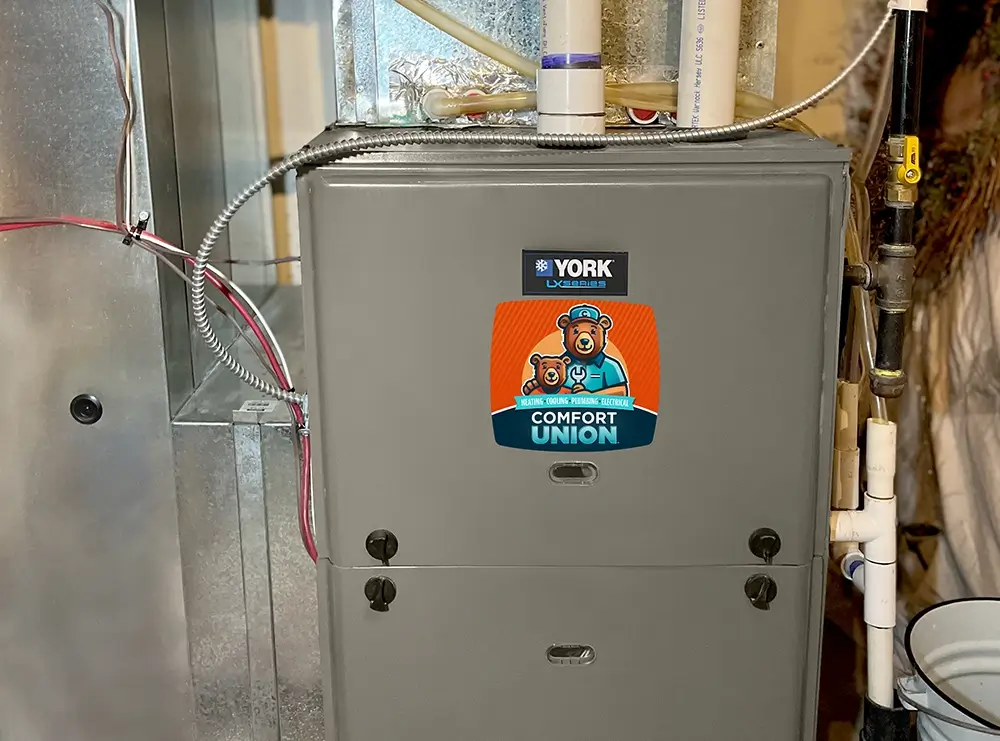
Gas furnaces burn natural gas to heat air, which is then distributed through your home via ductwork. They are known for rapid heat delivery and effective performance in cold weather.
How Electric Furnaces Work

Electric furnaces use electric resistance coils to generate heat, which is circulated through the home using ductwork. They provide steady, even heating without combustion and are ideal for homes without gas lines.
Comparing Performance in Calgary’s Climate
Calgary homeowners must consider how each furnace type performs in harsh winter conditions.
Heating Speed & Comfort
Gas furnaces heat homes quickly and provide strong warmth during cold snaps. Electric furnaces offer slower recovery but maintain consistent heat, making them suitable for smaller or well-insulated homes.
Reliability During Winter
Gas furnaces rely on an uninterrupted natural gas supply. Electric furnaces continue to operate reliably as long as power is available and can be paired with backup power systems for added resilience.
Energy Efficiency & Operating Costs
Efficiency and operating costs are key factors in furnace selection for Calgary homes.
Gas Furnace Efficiency
Modern gas furnaces feature AFUE ratings between 80–98%. They generally cost less to operate than electric furnaces during Calgary winters due to lower natural gas rates compared to electricity.
Electric Furnace Efficiency
Electric furnaces convert 100% of energy into heat. However, higher electricity costs in Alberta winters can make operating them more expensive than gas furnaces for extended cold periods.
Installation & Repair Costs in Calgary (2025 Estimates)
| Furnace Type | Unit Cost (CAD) | Installation Cost (CAD) | Typical Repair Cost (CAD) | Total Installed Cost |
| Gas Furnace | 2,500–5,500 | 2,000–4,000 | 200–900 | 4,500–9,500+ |
| Electric Furnace | 1,800–4,000 | 1,500–3,000 | 150–600 | 3,300–7,000+ |
Gas Furnace Pros & Cons
- Pros: Rapid heating, lower seasonal operating costs, effective in extreme cold
- Cons: Requires gas line, proper venting, and regular maintenance for safety
Electric Furnace Pros & Cons
- Pros: Safe, low-maintenance, compact installation, no combustion gases
- Cons: Higher electricity costs, slower recovery in very cold conditions
Choosing the Right Furnace for Your Calgary Home
When selecting a furnace for your Calgary home, consider factors such as home size, insulation, utility rates, and personal preferences. Ensure the furnace is properly sized to maintain comfort and efficiency, and evaluate whether your existing ductwork is compatible or requires upgrades. Exploring high-efficiency or ENERGY STAR certified models can provide long-term savings. For a detailed technical comparison, refer to Carrier’s furnace guide.
For a technical comparison, see Carrier’s furnace guide.
Maintenance, Repairs, and Lifespan
Proper maintenance extends furnace lifespan and prevents costly repairs.
1. Proper Furnace Maintenance
Regular maintenance extends your furnace’s lifespan and prevents costly repairs. Staying on top of inspections and tune-ups ensures consistent performance and energy efficiency for both gas and electric systems.
2. Gas Furnace Maintenance
Gas furnaces should receive an annual inspection, including burner cleaning, vent checks, and safety assessments to ensure safe and efficient operation throughout Calgary’s cold winters.
3. Electric Furnace Maintenance
Electric furnaces require coil and blower maintenance every 2–3 years. Routine checks help prevent overheating, maintain airflow, and optimize energy efficiency.
4. Furnace Lifespan
Gas furnaces typically last 15–20 years, while electric furnaces often reach 20–25 years with proper care. Regular maintenance and timely repairs are key to achieving these lifespans.
5. Timely Repairs
Addressing furnace issues promptly prevents energy waste, protects home comfort, and avoids more expensive repairs down the line.
Frequently Asked Questions
Can I switch from a gas to an electric furnace or vice versa?
Yes, but conversion requires duct evaluation, electrical or gas line upgrades, and professional installation. A certified contractor ensures code compliance and safety.
Which furnace is cheaper to operate in Calgary?
Gas furnaces generally have lower operating costs due to Alberta’s natural gas prices, though actual costs depend on home size, insulation, and usage patterns.
Are electric furnaces safe for Calgary winters?
Yes. Electric furnaces pose minimal fire risk, produce no combustion gases, and are reliable when maintained properly.
How often should each furnace type be serviced?
Gas furnaces need annual servicing; electric furnaces require maintenance every 2–3 years, including blower and coil checks.
What is the expected lifespan of gas vs electric furnaces?
Gas furnaces last 15–20 years; electric furnaces can last 20–25 years with regular maintenance and proper operation.
Schedule a Furnace Consultation with Comfort Union
Calgary homeowners can rely on Comfort Union for professional furnace assessment, installation, repair, and maintenance. Ensure your home stays warm, energy-efficient, and safe during Alberta winters with certified HVAC experts.
Call us today to book a consultation or furnace service.

Fast, reliable furnace repair in Calgary. We diagnose and fix all makes and models to restore your home’s warmth quickly and safely.
Keep your system running smoothly with a professional furnace tune-up in Calgary. We clean, inspect, and optimize for peak efficiency and safety.

Breathe easier with professional furnace duct cleaning in Calgary. Remove dust, debris, and allergens for cleaner air and better system performance.